Source Jewelry and Watch Display Units for Retail Stores
Explore 30 options for jewelry and watch display solutions designed for retail shops, showrooms, and exhibitions. Compare metal and organic glass builds, custom shapes, and indoor placement features to find the right fit for your business needs.
Key considerations
Products List


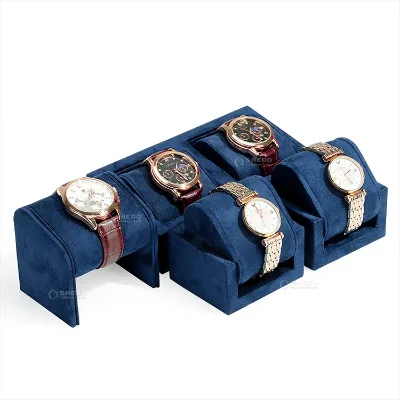
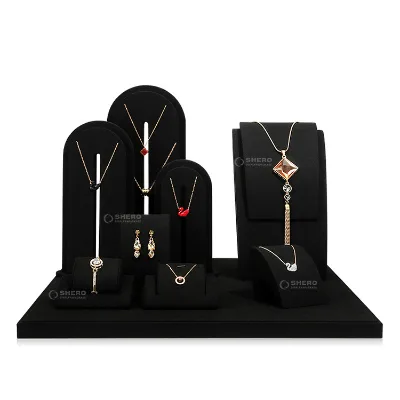


Comprehensive Sourcing Guide
Jewelry and Watch Display Sourcing Guide
Selecting the right display infrastructure is a critical component of retail strategy for jewelry and watch retailers, as these items require both high-security visibility and aesthetic appeal to drive sales. The market offers a diverse range of solutions, from freestanding floor units to specialized counter displays, each designed to enhance product presentation while ensuring asset protection. Buyers must navigate a complex landscape of materials, structural designs, and customization options to find displays that align with their brand identity and operational needs. This guide provides evidence-based procurement advice for sourcing jewelry and watch displays, focusing on technical verification, compliance, and commercial due diligence.
The sourcing process begins with a clear understanding of the product scope and the specific signals present in supplier listings. By analyzing observed market data and standard industry practices, buyers can filter out irrelevant offerings and focus on suppliers who provide the necessary technical and commercial transparency. This guide synthesizes observed listing signals with trusted category knowledge to help procurement professionals make informed decisions, ensuring that the selected displays meet functional requirements for security, durability, and visual merchandising.
Product Scope and Observed Listing Signals
The current market for jewelry and watch displays encompasses a wide variety of structural forms, including truss-based systems, spiral configurations, and rotating units. Observed listings indicate that products are available in square, triangle, and adjustment shapes, catering to different store layouts and customer flow patterns. Materials range from metal frameworks to organic glass components, allowing for a balance between structural integrity and transparent visibility. Buyers should note that while some listings mention specific models like AD-090 or 25715-2, these identifiers are often internal to the supplier and may not correspond to universal industry standards, requiring direct verification of dimensions and load capacities.
Listings also reveal significant variability in customization options, with many suppliers offering design services, custom logos, and tailored color schemes. The observed price range of $5.2 to $2999 USD reflects this diversity, spanning from simple accessory holders to complex, multi-tiered freestanding units. Minimum Order Quantities (MOQs) vary widely, from single sets to bulk orders of 200 units, indicating that suppliers cater to both small boutique retailers and large chain stores. Buyers must carefully distinguish between basic stock items and fully customized solutions, as the latter often involve longer lead times and higher initial costs for tooling or design approval.
Technical Specifications to Verify
When evaluating technical specifications, buyers must prioritize structural stability and material quality, especially for heavy or high-value items. Metal construction is frequently cited as a key feature, often combined with fireproof properties to enhance safety in retail environments. It is essential to verify the build method, whether it involves truss systems for modular flexibility or direct connection methods for rigid stability. Additionally, the folded state of the display should be confirmed; while some units are designed for permanent installation, others may offer folded or collapsible options for easier storage and transportation, which can significantly impact logistics costs.
Visibility and lighting are critical technical factors for jewelry and watch displays, as these items rely on sparkle and clarity to attract customers. Buyers should verify whether the display includes integrated lighting, as some observed listings explicitly state "No" light, which may require separate electrical installations. The use of organic glass or acrylic panels is common for creating transparent barriers that protect items while maintaining an unobstructed view. Furthermore, the shelf type, such as cubby, ladder, or tiered configurations, must be matched to the specific dimensions of the jewelry or watches being displayed to prevent damage and ensure optimal presentation.
Compliance and Safety Documentation
Safety and compliance are non-negotiable aspects of retail display procurement, particularly for high-value merchandise. Buyers should request documentation related to fireproof ratings, as some listings claim fireproof features, and verify these claims through independent testing reports or manufacturer certifications. Standards such as SGS are mentioned in some contexts, indicating that certain suppliers may undergo third-party quality inspections. However, buyers must not assume that all products meet specific international safety standards without explicit verification, as compliance levels can vary significantly between suppliers and product lines.
Antitheft features are another critical compliance area, with many displays incorporating built-in security mechanisms to deter theft. Buyers should inquire about the integration of locking systems, alarm triggers, or tamper-evident designs that align with their existing security infrastructure. Additionally, environmental and recycling considerations are increasingly important, with some products labeled as recyclable or eco-friendly. Procurement teams should verify these claims by requesting material safety data sheets (MSDS) or environmental compliance certificates to ensure that the displays meet corporate sustainability goals and local regulatory requirements.
Cost Drivers and Commercial Terms
The cost of jewelry and watch displays is influenced by several key drivers, including material selection, customization complexity, and packaging requirements. Metal and organic glass components contribute to the base material cost, while custom designs, logos, and colors add to the engineering and production expenses. Packaging is also a significant factor, with options ranging from simple paper cartons to complex bubble bag and foam pad arrangements within five-layer master cartons. Buyers should assess the total landed cost, including shipping and insurance, as heavy metal structures can incur high freight charges if not optimized for container space.
Commercial terms, such as MOQ and payment conditions, vary widely across the market. Observed MOQs range from one set to 200 units, allowing flexibility for different business sizes. Buyers should negotiate clear terms regarding design approval processes, sample costs, and production lead times, especially for customized orders. It is advisable to request detailed quotations that break down costs for materials, labor, and packaging to identify potential areas for cost reduction. Additionally, buyers should clarify warranty policies and after-sales service options, as these can impact the long-term value and reliability of the investment.
Supplier Qualification and Quality Control
Supplier qualification is a critical step in ensuring the reliability and quality of jewelry and watch displays. Buyers should verify the supplier’s manufacturing capabilities, including their experience with metal fabrication and glass assembly, as well as their ability to handle custom design requests. Geographic location, such as Xiamen in Fujian Province or Guangdong in China, can provide insights into the supplier’s supply chain efficiency and access to raw materials. However, buyers must conduct thorough due diligence, including factory audits and reference checks, to confirm the supplier’s reputation and financial stability.
Quality control processes should be clearly defined and agreed upon before production begins. Buyers should request detailed quality assurance plans that outline inspection points for materials, assembly, and final packaging. Third-party inspection services can be employed to verify that the products meet the specified technical and aesthetic requirements. Additionally, buyers should establish clear communication channels for addressing defects or discrepancies, ensuring that any issues are resolved promptly to avoid delays in store openings or inventory replenishment.
Long-Term Procurement Checks
Long-term procurement success depends on establishing robust relationships with suppliers who can consistently deliver high-quality displays and adapt to changing market needs. Buyers should monitor supplier performance over time, tracking metrics such as on-time delivery, product defect rates, and responsiveness to service requests. Regular reviews of product quality and design relevance will help ensure that the displays continue to meet customer expectations and brand standards. Additionally, buyers should stay informed about industry trends, such as new security technologies or sustainable materials, to proactively update their display strategies.
Sustainability and lifecycle management are increasingly important considerations for long-term procurement. Buyers should evaluate the recyclability and durability of the displays, seeking suppliers who offer take-back programs or recycling options for end-of-life products. By prioritizing suppliers who demonstrate a commitment to environmental responsibility and continuous improvement, buyers can reduce their carbon footprint and enhance their brand’s reputation. Finally, maintaining a diversified supplier base can mitigate risks associated with supply chain disruptions, ensuring that the business remains resilient in the face of market volatility.
FAQs
What customization options are available for jewelry displays?
Customization is available for shape, color, logo, and size. Buyers can request specific designs and artwork, with options including square, spiral, triangle, and rotating shapes. The products support customized colors and logos to match brand identity.
Which materials are used for these display units?
The display units are constructed from metal and organic glass. These materials ensure durability and a premium look suitable for retail environments. The specific material choice depends on the model and design requirements provided by the buyer.
Can I order a single set of jewelry displays?
Yes, the minimum order quantity is one set for certain models. This allows buyers to test the product quality before committing to larger orders. The specific MOQ may vary slightly depending on the customization level requested.
Where are these display products manufactured?
The products originate from Xiamen, Fujian Province, and Guangdong, China. These locations are known for manufacturing high-quality retail fixtures. Buyers can expect standard shipping procedures from these established industrial regions in China.
What certifications do the products meet?
Some products meet the SGS standard for quality and safety. Other items may have customized standards based on specific buyer requirements. Buyers should verify the specific certification status for their chosen model before finalizing the purchase.
How are the products packed for shipping?
Packing includes paper cartons, safety packing, bubble bags, foam pads, and five-layer master cartons. This multi-layer approach ensures the items arrive in new condition without damage. Standard packing is also available for specific orders.
What shapes are available for the display units?
Available shapes include square, spiral, triangle, rotating, and adjustable configurations. Some models also offer trapezoid, heart, hexagon, and rectangular forms. The design team can provide artwork to create unique shapes tailored to the store layout.
Are these displays suitable for indoor supermarket use?
Yes, the displays are designed for indoor use in supermarkets, stores, and showrooms. They feature antitheft capabilities and are suitable for cosmetics, jewelry, and watches. The sturdy construction supports heavy-duty usage in high-traffic retail areas.